# Beyond the Remote: Smart Ways to Control Your Samsung TV Without a Controller
**The Modern TV Experience Without Limits**
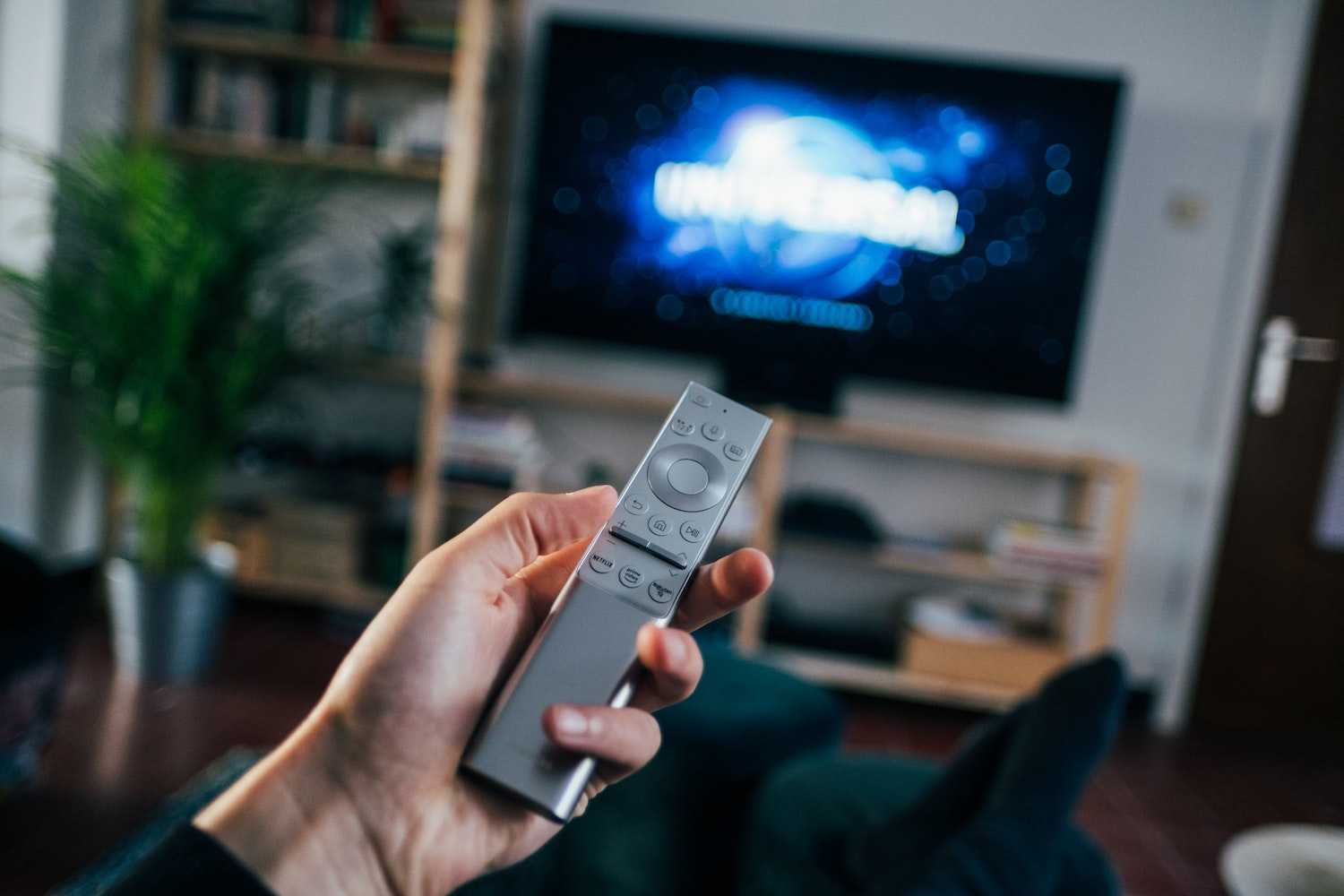
Television technology has evolved far beyond the days when a single plastic remote controlled everything. Modern Samsung TVs are designed to integrate seamlessly with digital devices, wireless networks, and smart ecosystems. This means that even if the remote control is lost, broken, or simply out of reach, the television can still be managed in several convenient ways. Understanding these alternatives allows users to continue enjoying their entertainment without interruptions.
**Using Smartphones as a Smart Control Hub**
One of the most practical solutions for managing a Samsung television without a traditional remote is a smartphone. Most modern TVs connect to the same Wi-Fi network as mobile devices, enabling them to communicate effortlessly. Once connected, a phone can replicate nearly every function of a standard remote: turning the TV on or off, adjusting volume, navigating menus, and launching apps.
Many users find that mobile control offers advantages over physical remotes. The interface is often clearer, touch-based navigation is more responsive, and additional features such as keyboard input make searching for content faster. For example, an [iPhone Samsung Remote App](https://mac.eltima.com/how-to-turn-on-samsung-tv-without-remote/) can transform a smartphone into a powerful control center, offering intuitive navigation and direct access to television functions.
**Built-In Buttons on the Television**
Although many people forget about them, most Samsung TVs still include physical buttons on the device itself. These controls are typically located on the back panel, along the bottom edge, or beneath the screen. The buttons allow users to perform basic actions such as powering on the TV, switching inputs, and adjusting volume.
While this method is more limited than using a remote or smartphone, it is still an effective way to regain control quickly. For example, if the TV is turned off and the remote cannot be found, the power button on the TV can immediately bring the screen to life.
**Smart Home Integration**
Another increasingly popular option is voice control through smart home systems. Many Samsung televisions support integration with voice assistants, allowing users to issue commands verbally. With a simple phrase, viewers can turn the TV on, open streaming apps, or adjust settings.
This hands-free approach is especially convenient when multitasking or relaxing. Instead of searching for a remote or navigating menus, a voice command can instantly perform the desired action. As smart home ecosystems continue to grow, this method is becoming a natural part of the modern living room.
**Network-Based Control and Device Pairing**
Samsung TVs are designed to work with a wide range of network-connected devices. Laptops, tablets, and even certain smart home hubs can interact with the television when connected to the same network. These devices may allow screen sharing, remote navigation, and other interactive functions.
This level of connectivity means that the television becomes part of a larger digital environment rather than a standalone device. Users can launch content from their computer, mirror their phone display, or control playback from a tablet across the room.
**When the Remote Goes Missing**
Losing a remote control is surprisingly common. It can slip between couch cushions, fall behind furniture, or simply stop working due to battery issues. Fortunately, modern Samsung TVs are built with enough flexibility that this inconvenience rarely becomes a serious problem.
By combining built-in buttons, smartphone control, and smart home connectivity, users can maintain full access to their television’s features. Each method provides a different level of control, allowing viewers to choose the approach that best fits their situation.
**A Smarter Way to Enjoy Entertainment**
The ability to operate a television without a traditional remote highlights how far home entertainment technology has advanced. Smart connectivity ensures that control is always within reach, whether through a mobile device, voice command, or integrated system.
As televisions continue to evolve, the reliance on a single remote control will likely diminish even further. Instead, users will benefit from flexible, intuitive ways to interact with their devices—making the viewing experience smoother, smarter, and far more convenient.