# How Can a Hindu Groom Discuss Expectations with a Potential Life Partner?
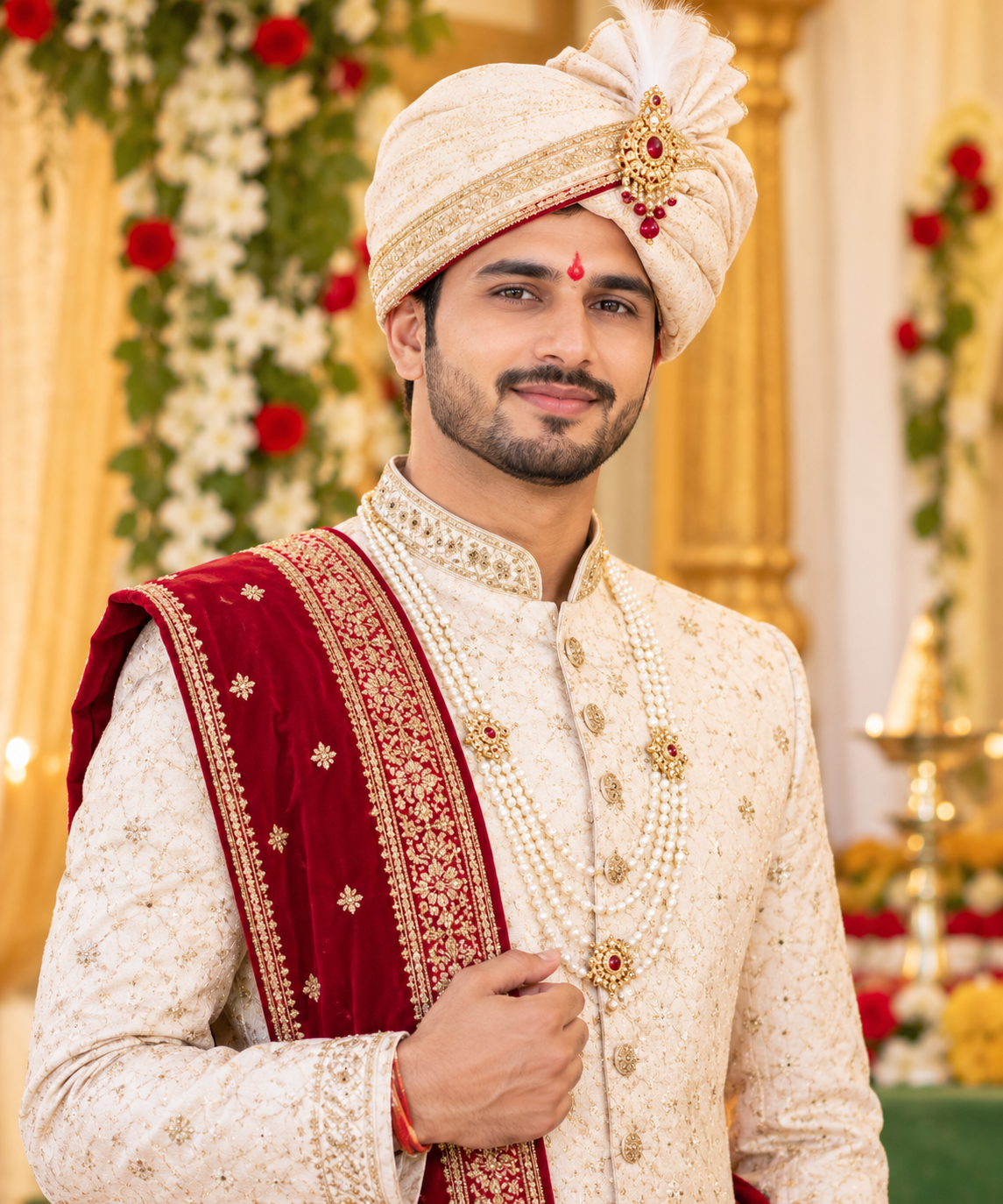
Marriage is an important life decision that requires mutual understanding, trust, and open communication. For a Hindu groom, discussing expectations with a potential life partner before making a commitment can help establish a strong foundation for a successful marriage. These conversations allow both individuals to understand each other's values, lifestyle preferences, family responsibilities, career ambitions, and long-term goals.
In today's world, matrimonial websites and online matchmaking platforms have made it easier to connect with potential partners. However, finding a suitable match involves more than reviewing profiles or comparing personal details. It is equally important to communicate honestly, respect individual opinions, and discuss important aspects of married life. By approaching these conversations thoughtfully, a [Hindu groom](https://www.makeyourjodi.com/hindu-matrimony) can make informed decisions and build a relationship based on trust and compatibility.
## 1. Start with an Open and Comfortable Conversation
The first step is to create an environment where both individuals feel comfortable expressing their thoughts. A Hindu groom should begin with friendly conversations about interests, daily routines, education, hobbies, and personal experiences.
These topics help both people become familiar with each other before discussing more serious matters. Avoid turning the conversation into an interview or asking too many personal questions at once.
Instead, ask open-ended questions and listen carefully to the answers. Share your own experiences and expectations as well. When both individuals participate equally, conversations become more natural and meaningful.
The purpose of these discussions is not to impress the other person but to understand whether you can develop a healthy relationship together.
## 2. Discuss Family Values and Responsibilities
Family relationships can play an important role in marriage, particularly when traditions and family involvement are important to both partners. A Hindu groom should discuss his family background, expectations regarding family gatherings, and the role he hopes his partner will have in family life.
For example, explain whether you expect to live with your parents after marriage or prefer an independent household. Discuss how responsibilities toward parents and other family members might be managed.
It is equally important to understand the potential partner's expectations. She may have career goals, family commitments, or preferences regarding personal independence that deserve equal consideration.
These conversations can help prevent misunderstandings and encourage both individuals to establish practical boundaries. A healthy marriage should allow partners to respect their families while making important decisions together.
## 3. Talk About Career Goals and Professional Ambitions
Career expectations can significantly influence married life. Both partners should understand each other's professional ambitions, work schedules, and plans for the future.
A Hindu groom should explain his current occupation, career objectives, and willingness to consider opportunities that may involve relocation or changes in routine. He should also ask about his potential partner's educational background, professional interests, and future ambitions.
If both individuals want to pursue their careers after marriage, discuss how household responsibilities and personal time could be balanced.
For example, couples can agree to share domestic tasks rather than assuming that one person will manage everything. Supporting each other's professional growth encourages equality and reduces unnecessary pressure.
Open discussions about careers help couples understand whether their goals are compatible and how they can support each other's ambitions.
## 4. Discuss Financial Expectations Honestly
Money is another important subject that couples should discuss before making a marriage commitment. Financial expectations can include saving habits, spending preferences, household expenses, existing obligations, and long-term financial goals.
A Hindu groom should approach these conversations with honesty and maturity. Explain your general approach to managing money and ask how your potential partner prefers to plan finances.
You can also discuss expectations about budgeting, emergency savings, major purchases, and financial responsibilities toward family members.
The goal is not to compare incomes or judge someone's financial background. Instead, it is to understand each other's habits and establish a practical approach to shared expenses.
Financial transparency can reduce misunderstandings and help couples make informed decisions about their future together.
## 5. Understand Cultural and Religious Preferences
Cultural traditions and religious practices may be important considerations when choosing a life partner. A Hindu groom should discuss how festivals, ceremonies, family customs, and religious activities fit into his daily life.
For example, you may enjoy celebrating Diwali with extended family, participating in religious ceremonies, or maintaining particular traditions at home.
Ask your potential partner about her preferences and the traditions that matter to her. Avoid assuming that sharing the same religion means having identical beliefs or expectations.
Some differences can be managed through mutual understanding and compromise. Discussing these subjects early helps both individuals identify shared values while respecting their individual perspectives.
## 6. Discuss Lifestyle Preferences and Personal Space
Every individual has different habits, interests, and expectations about daily life. Before marriage, a Hindu groom should discuss lifestyle preferences with his potential partner.
Topics may include travelling, social activities, fitness, hobbies, food preferences, friendships, and spending time with family. You can also talk about expectations regarding household routines, privacy, and personal independence.
For instance, one person may enjoy frequent social gatherings, while the other prefers quiet evenings at home. Understanding these differences can help couples find a comfortable balance.
A successful relationship does not require partners to share every hobby or spend all their time together. Both individuals should have the freedom to maintain personal interests while enjoying meaningful experiences as a couple.
## 7. Talk About Children and Long-Term Plans
Marriage often involves decisions about children, living arrangements, and future responsibilities. These topics should be discussed before making a serious commitment.
A Hindu groom should ask his potential partner about her views on having children, preferred timelines, parenting responsibilities, and approaches to education. Both individuals should also discuss where they would like to live and how they envision their future.
If one partner hopes to relocate for career opportunities or pursue further education, it is important to understand how those plans may affect married life.
These conversations should be respectful and free from pressure. Both individuals deserve an opportunity to express their preferences and decide whether their long-term goals are compatible.
## 8. Discuss Communication and Conflict Resolution
Even compatible couples can experience disagreements. What matters is how they handle those differences.
A Hindu groom should discuss how both partners prefer to communicate when they feel upset, stressed, or misunderstood. Ask whether your potential partner prefers discussing issues immediately or taking time to reflect before talking.
Explain your own communication style and be willing to consider different approaches.
Healthy conflict resolution involves listening, remaining respectful, accepting responsibility, and finding solutions together. Insults, manipulation, threats, and unreasonable pressure should never be treated as normal parts of a relationship.
Understanding each other's communication styles before marriage can help couples build emotional security and handle challenges more constructively.
## 9. Be Honest About Your Expectations and Boundaries
Honesty is essential when discussing marriage expectations. A Hindu groom should communicate his priorities clearly without making demands or expecting the other person to agree with everything.
Explain which values are essential to you and where you are willing to compromise. Encourage your potential partner to do the same.
Discuss important boundaries regarding privacy, family involvement, career decisions, and personal independence. Both individuals should feel respected and free to make their own choices.
Avoid hiding significant information simply to secure a commitment. Honest conversations may reveal differences, but discovering those differences early can prevent greater difficulties later.
## Conclusion
A Hindu groom can discuss expectations with a potential life partner by approaching conversations with honesty, patience, and mutual respect. Topics such as family values, careers, finances, cultural traditions, lifestyle preferences, children, and communication should be explored before making a marriage commitment.
These discussions are not about finding someone who agrees with every preference. They are about understanding each other, identifying compatible goals, and learning how to manage differences constructively.
By creating space for open communication and respecting each other's individuality, a Hindu groom and his potential partner can build trust and make a more informed decision about marriage. Ultimately, a strong relationship depends on shared responsibility, emotional understanding, and the willingness of both individuals to support one another throughout life.