# **Who Should Avoid Surgery by Best Doctors Laser Eye Khanewal 2026?**
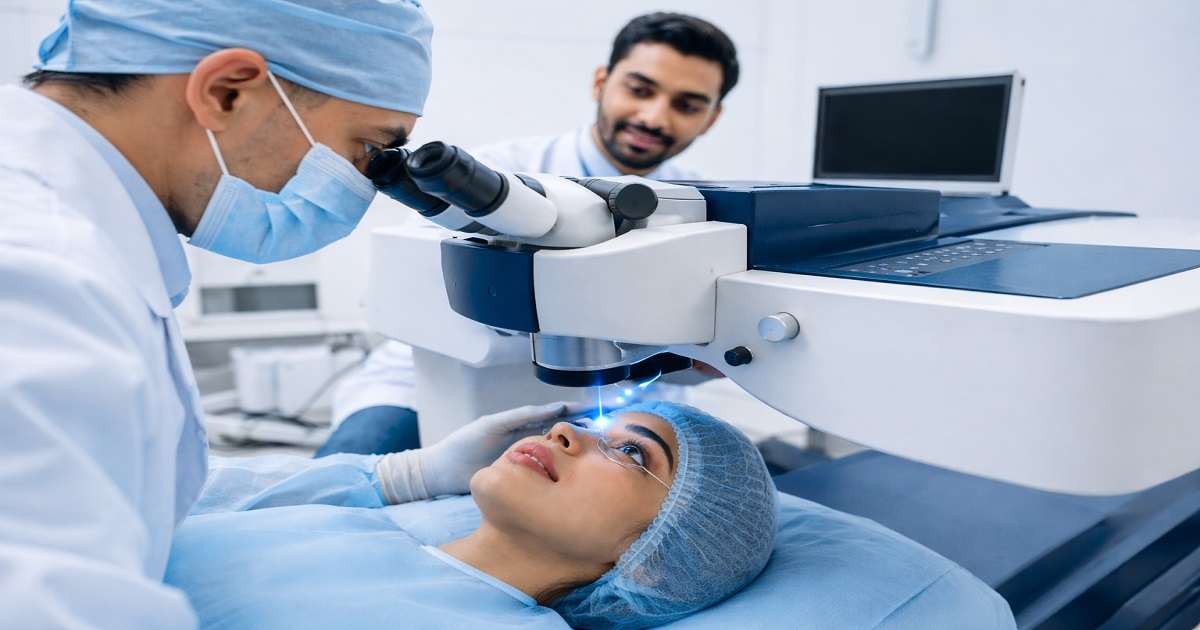
Choosing laser vision correction is an important decision, but not every patient is an ideal candidate. Who Should Avoid Surgery by Best Doctors Laser Eye Khanewal 2026 is a common concern among people considering permanent vision correction in Pakistan. While laser eye surgery offers excellent results for many individuals, certain medical conditions, eye problems, and lifestyle factors may increase the risk of complications or reduce the effectiveness of the procedure. Understanding who should avoid treatment helps patients make informed decisions and prioritize their long-term eye health.
If you are searching for Who Should Avoid Surgery by **[Best Doctors Laser Eye Khanewal](https://www.zafarlasereyeclinic.com/services/excimer-laser/)** 2026, it is essential to know that eligibility is determined through a comprehensive eye examination rather than age alone. Experienced eye specialists carefully evaluate your vision stability, corneal health, overall medical condition, and lifestyle before recommending surgery. In many cases, delaying treatment or choosing an alternative procedure may provide safer and more successful outcomes.
### **Understanding Laser Eye Surgery**
Laser eye surgery is one of the most advanced methods of correcting refractive errors such as nearsightedness, farsightedness, and astigmatism. The procedure reshapes the cornea so that light focuses correctly on the retina, resulting in clearer vision and reduced dependence on glasses or contact lenses.
Modern laser technology has made the procedure safer and more accurate than ever before. However, despite these advancements, laser eye surgery is not suitable for everyone. Every patient's eyes are unique, and a detailed evaluation is necessary before deciding whether surgery is appropriate.
### **Why Some People Should Avoid Laser Eye Surgery**
Laser eye surgery depends on healthy eye tissues, stable vision, and proper healing ability. When these conditions are absent, surgery may not provide the desired results or could increase the likelihood of complications.
Eye specialists prioritize patient safety above all else. If the examination reveals factors that could negatively affect healing or vision quality, the surgeon may recommend postponing surgery or selecting another treatment option.
Understanding these situations allows patients to make realistic decisions and protect their eyesight.
### **People Under 18 Years of Age**
Young individuals whose eyes are still developing should generally avoid laser eye surgery.
During adolescence, vision often changes rapidly as the eyes continue to grow. Performing surgery before the prescription becomes stable may lead to future vision changes, reducing the long-term effectiveness of the procedure.
Most surgeons recommend waiting until vision has remained stable for at least one year before considering treatment.
### **Patients with Unstable Vision**
A changing prescription is one of the most common reasons for delaying laser eye surgery.
If your glasses or contact lens prescription continues to change frequently, your eyes have not yet reached stability. Performing laser correction during this stage may result in the need for additional procedures later.
Eye specialists usually recommend monitoring vision over time before proceeding with surgery.
### **Individuals with Thin Corneas**
The cornea plays a vital role in laser vision correction because the procedure reshapes its surface.
Patients with extremely thin corneas may not have enough tissue to safely undergo certain laser procedures. Removing too much corneal tissue can weaken the eye and increase the risk of complications.
Advanced diagnostic testing measures corneal thickness and determines whether laser treatment is appropriate or whether another vision correction option would be safer.
### **People with Keratoconus**
Keratoconus is a condition in which the cornea becomes progressively thinner and develops an irregular shape.
Because laser eye surgery removes additional corneal tissue, it may worsen this condition and significantly reduce vision quality.
Patients diagnosed with keratoconus usually require specialized treatments rather than standard laser vision correction.
### **Individuals with Severe Dry Eye Syndrome**
Healthy tears are essential for proper healing after laser eye surgery.
Patients with severe dry eye disease may experience increased discomfort, slower recovery, and less predictable visual outcomes following treatment.
Fortunately, many dry eye conditions can be successfully managed before surgery. Once the eyes become healthier, some patients may qualify for treatment.
### **Pregnant and Breastfeeding Women**
Hormonal changes during pregnancy and breastfeeding can temporarily affect vision and corneal shape.
These natural changes may alter the accuracy of laser eye surgery measurements, making it difficult to achieve long-lasting results.
Most eye specialists recommend waiting until hormone levels stabilize after pregnancy and breastfeeding before scheduling surgery.
### **Patients with Advanced Cataracts**
Laser eye surgery is designed to correct refractive errors, not cataracts.
Individuals whose blurred vision results primarily from cataracts benefit more from cataract surgery than laser vision correction.
A detailed eye examination identifies whether cataracts are responsible for reduced vision and helps determine the most appropriate treatment.
### **People with Uncontrolled Diabetes**
Diabetes can affect both vision stability and the body's healing ability.
Patients whose blood sugar levels remain poorly controlled face a greater risk of delayed healing, infections, and fluctuating vision after surgery.
When diabetes is well managed and the eyes remain healthy, some patients may still qualify after careful evaluation.
### **Individuals with Glaucoma**
Glaucoma damages the optic nerve and may gradually reduce vision.
Laser eye surgery does not treat glaucoma, and patients with advanced disease require careful assessment before considering vision correction procedures.
The eye surgeon works closely with glaucoma specialists to determine whether surgery is safe for each individual case.
### **Patients with Retinal Disorders**
Problems affecting the retina require special attention before laser eye surgery.
Conditions such as retinal tears, retinal detachment, or diabetic retinal disease may need treatment first.
Protecting the retina is often the highest priority because it plays a critical role in vision.
### **Autoimmune Diseases and Healing Disorders**
Certain autoimmune diseases interfere with the body's natural healing process.
Conditions such as rheumatoid arthritis, lupus, or other immune system disorders may increase the risk of complications following laser eye surgery.
Each patient requires an individualized assessment based on their medical history and current health condition.
### **Frequent Eye Infections**
People who experience repeated eye infections should postpone laser surgery until the underlying problem has been successfully treated.
Healthy eyes reduce the likelihood of infection after surgery and support better healing.
Eye specialists carefully examine the ocular surface to ensure it is free from active disease before scheduling treatment.
### **Unrealistic Expectations**
Laser eye surgery can dramatically improve vision, but it cannot guarantee perfect eyesight for every patient.
Some individuals expect complete freedom from glasses under every circumstance, while others assume aging-related changes will never occur.
Experienced surgeons explain realistic outcomes before treatment so patients understand both the benefits and the limitations of surgery.
### **Certain Occupations May Require Additional Evaluation**
Some professions place unique demands on vision. Pilots, military personnel, law enforcement officers, athletes, and individuals working in hazardous environments may require additional assessments before surgery.
The surgeon ensures that the selected procedure supports both visual performance and occupational requirements.
### **Lifestyle Factors That Can Delay Surgery**
Lifestyle habits also influence surgical success. Smoking may slow healing, while poor eye hygiene increases infection risk.
Patients who cannot follow post-operative care instructions or attend follow-up appointments may be advised to postpone treatment until proper recovery conditions can be ensured.
### **The Importance of a Comprehensive Eye Examination**
Every successful laser eye surgery begins with a detailed examination.
The surgeon evaluates refractive error, corneal thickness, corneal shape, tear production, pupil size, retinal health, eye pressure, and overall eye condition.
Modern diagnostic technology allows specialists to identify potential risks before surgery, helping patients avoid unnecessary complications.
### **Alternative Vision Correction Options**
Not qualifying for laser eye surgery does not mean permanent vision improvement is impossible. Many patients benefit from alternative procedures based on their specific eye condition.
Options such as implantable lenses, cataract surgery, specialty contact lenses, or advanced medical treatments may provide excellent vision while maintaining safety. A personalized consultation helps identify the most suitable solution for each patient.
### **Why Honest Medical Advice Matters**
Experienced eye specialists understand that recommending against surgery is sometimes the best decision.
Their primary responsibility is protecting the patient's long-term vision rather than simply performing a procedure.
Patients should appreciate honest recommendations because avoiding unnecessary surgery can prevent future complications and preserve healthy eyesight.
### **Advances in Laser Eye Care in 2026**
Modern laser technology continues to improve every year.
Advanced corneal mapping, wavefront-guided treatment planning, artificial intelligence-assisted diagnostics, and highly precise laser systems allow surgeons to evaluate patients more accurately than ever before.
These innovations help identify suitable candidates while protecting individuals who may not benefit from laser surgery.
### **Choosing the Right Eye Specialist**
Selecting an experienced eye surgeon is one of the most important decisions when considering laser eye surgery. Qualified specialists perform thorough evaluations, explain treatment options honestly, and recommend surgery only when it is truly appropriate.
Who Should Avoid Surgery by Best Doctors Laser Eye Khanewal 2026 is an important topic for anyone considering laser vision correction. While laser eye surgery is **[highly successful](https://pad.nixnet.services/)** for many patients, individuals with unstable vision, thin corneas, keratoconus, severe dry eyes, uncontrolled diabetes, advanced glaucoma, retinal diseases, pregnancy-related vision changes, active infections, or certain medical conditions may need to postpone treatment or explore alternative options. A comprehensive eye examination remains the most reliable way to determine eligibility. By following professional medical advice and choosing an experienced eye specialist, patients can make safe decisions that protect their eyesight and achieve the best possible long-term visual outcomes.
## **FAQs**
### **Can everyone have laser eye surgery?**
No. Eligibility depends on eye health, vision stability, corneal thickness, and overall medical condition.
### **Can diabetes prevent laser eye surgery?**
Uncontrolled diabetes may delay surgery, but well-managed diabetes may still allow treatment after evaluation.
### **Why are thin corneas a concern?**
Thin corneas may not safely support laser reshaping and can increase the risk of complications.
### **Is pregnancy a good time for laser eye surgery?**
No. Hormonal changes during pregnancy can temporarily affect vision and surgical measurements.
### **What if I am not eligible for laser surgery?**
Your eye specialist may recommend alternative vision correction options based on your individual needs.